


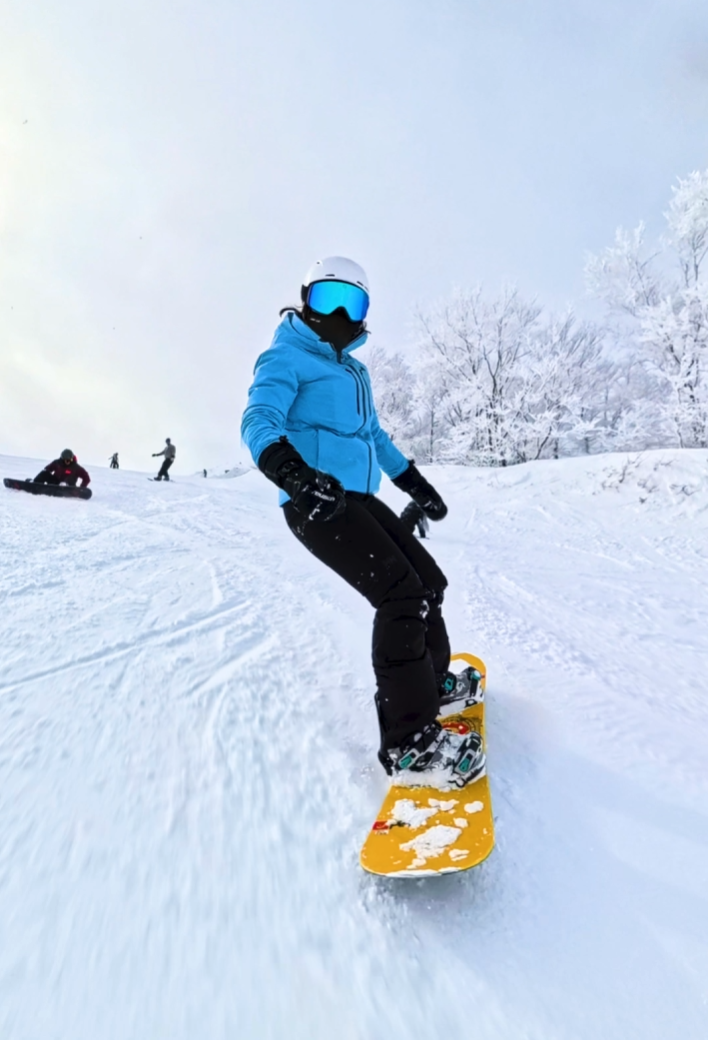
Perisher is the largest ski resort in the Southern Hemisphere, and once you see the terrain spread across four interconnected areas, it's easy to understand why. If you're planning a trip to the Snowy Mountains and want a resort with genuine variety, from gentle beginner slopes to steep advanced runs, Perisher is usually the first name that comes up.
This guide covers everything you need to plan a trip: how to get there, what the mountain is actually like, where to ski depending on your ability, and what to expect once you arrive. If you're still deciding between resorts, our guide to Australia's best ski resorts is a good place to compare Perisher against the rest of the field.
Getting to Perisher
Perisher sits in Kosciuszko National Park in New South Wales, and most visitors drive in from Sydney or Canberra. From Sydney, the drive takes around five to six hours depending on conditions and traffic through the Snowy Mountains Highway or the Alpine Way. From Canberra, it's a shorter run, generally around two and a half to three hours.
Jindabyne is the main gateway town, roughly 30 minutes from the resort, and is where most visitors base themselves for accommodation, groceries and fuel before heading up the mountain. During peak season, a National Parks entry fee applies for vehicles entering the park, and snow chains may be required depending on conditions, so it's worth checking road reports before you set off.
Perisher also has its own train, the Skitube, which runs from Bullocks Flat on the Alpine Way directly into the resort. It's a popular option for avoiding icy mountain roads, particularly on high-traffic weekends.
The Mountain
Perisher isn't a single mountain in the traditional sense. It's actually four interconnected ski areas, Perisher Valley, Smiggin Holes, Blue Cow and Guthega, all linked by lifts and shared lift access. This is what gives Perisher its scale. With well over 1,200 hectares of skiable terrain, it's the largest resort of its kind in Australia and one of the largest in the Southern Hemisphere.
The interconnected layout means you can genuinely ski between areas in a single day without needing to drive between them, something not every Australian resort offers.
Ski Runs and Terrain
Perisher's size means there's terrain suited to almost every level, spread across its four areas.
Beginners are well catered for, particularly around Perisher Valley and Smiggin Holes, where wide, gentle slopes and dedicated learner areas make it a genuinely approachable resort for first-timers.
Intermediate riders have the most to work with. Much of Perisher's terrain sits in this middle range, with cruisy groomed runs across all four areas giving plenty of room to build confidence and explore.
Advanced and expert riders tend to head toward Guthega and parts of Blue Cow, where steeper terrain, natural features and less-groomed runs offer more challenge. It's not as extreme as some interstate or international resorts, but there's enough here to keep confident skiers interested for a full trip.
| Area | Best suited to | Terrain style |
|---|---|---|
| Perisher Valley | Beginners, intermediates | Wide, groomed, learner-friendly |
| Smiggin Holes | Beginners, families | Gentle slopes, dedicated learner zones |
| Blue Cow | Intermediates, advanced | Varied terrain, some steeper sections |
| Guthega | Advanced, experts | Steeper, more natural terrain |
Lifts
Perisher's lift network is the largest in the Southern Hemisphere, with a mix of chairlifts, T-bars and the Skitube connecting all four ski areas. Because the areas are linked, a single lift pass gives you access to the entire resort, so you can move between terrain types throughout the day without backtracking.
This scale is one of Perisher's biggest advantages. On a quieter day it means shorter queues spread across more lifts, and on a busy day it means there's usually somewhere else to ski if one area is crowded.
Lift Passes and Opening Dates
Lift pass pricing and structures change season to season, so rather than quote figures that may be out of date by the time you're reading this, it's best to check current pricing directly on the official Perisher website.
The same goes for opening dates. Perisher's season typically follows the broader New South Wales snow season, but exact opening and closing dates depend on snowfall and conditions each year, so checking closer to your travel dates is the safest approach.
Food, Drink and Après-Ski
Perisher has a solid spread of on-mountain dining, from quick grab-and-go options to sit-down lodges with mountain views. Perisher Valley Terminal and the base areas around Front Valley have the highest concentration of cafes and food outlets, making them a natural lunch stop if you're skiing that side of the resort.
For après-ski, Jindabyne is where most of the evening activity happens, with pubs, restaurants and bars catering to the post-slope crowd. On-mountain options exist too, particularly around the main base areas, if you want to unwind before heading back down.
Hire and Retail
If you don't own your own gear, Perisher has multiple hire outlets on the mountain and in Jindabyne covering skis, snowboards, boots and outerwear. Booking hire in advance during peak weeks is worth doing, as popular sizes and equipment can run out on busy days.
Retail options on the mountain also cover last-minute essentials, from base layers to accessories, if you've forgotten something or need a replacement. Our ultimate snow gear guide is a useful reference if you're building out a full kit before you go.
Tips for First-Time Perisher Visitors
Perisher's scale can feel overwhelming on your first visit, so it helps to have a rough plan for the day rather than trying to see everything at once. Start in the area that matches your ability, Perisher Valley or Smiggin Holes for beginners, and expand out once you're comfortable with the layout.
Because the resort spans four areas, trail maps are genuinely useful here, more so than at smaller Australian resorts. Grabbing one at the start of the day, either physical or via the resort app, makes navigating between areas much easier.
Weather in the Snowy Mountains can shift quickly, so packing for changing conditions, layers, sun protection and eye protection that handles both bright glare and flat light, makes a noticeable difference to how comfortable your day is.
On that note, a lot of Perisher's terrain involves moving between open, exposed sections and more sheltered tree-lined runs, which means light conditions can change often through the day. A magnetic lens system, like the one on the KIZUKI Dawn Magnetic Ski Goggle, makes it easy to swap lenses without extra gear, so you're not stuck with the wrong tint when clouds roll in or the sun breaks through. If you're after a slimmer fit, the Dawn Slim Goggle Collection is worth a look too. For more on choosing the right lens tint for changeable Snowy Mountains light, see our ski goggles lens guide.
Share:
Why the 2026 Australian Snow Season Has Been Tough
How to Improve Your Skiing: A Level-by-Level Guide to Better Technique