


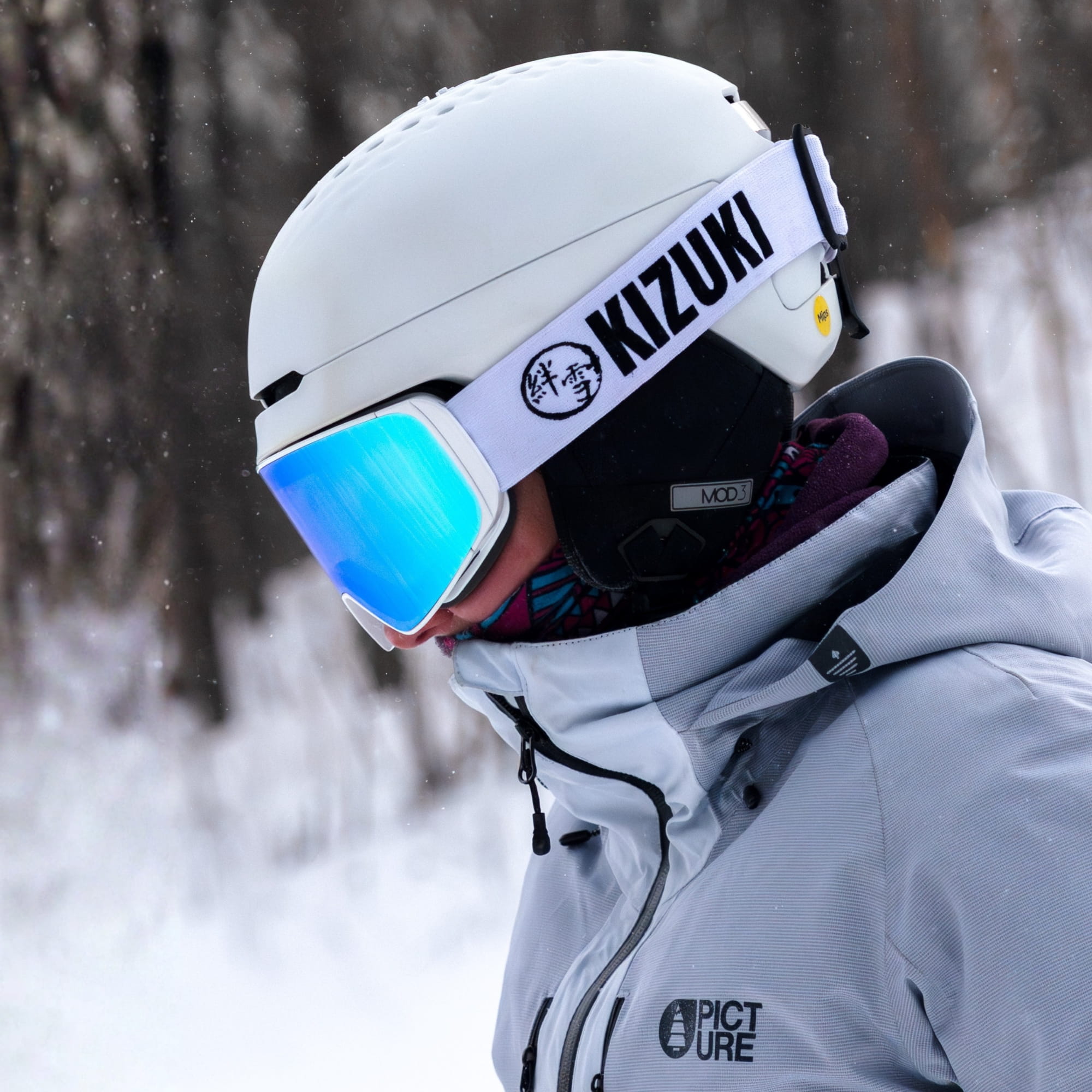
If you're heading to the snow in Australia, having the right gear makes the difference between an average day and a great day on the mountain. Whether you're skiing or snowboarding, the essentials are simple, but choosing the right versions of each item is what really matters.
This guide breaks down exactly what you need, what’s worth investing in, and how to choose gear that performs in real Australian conditions. Whether you're looking for snow gear in Australia, upgrading your ski gear, or refining your snowboard setup, this is the place to start.
The Essential Snow Gear You Actually Need
When it comes to snow gear in Australia, focus on the fundamentals first. These are the items that make the biggest difference to comfort, visibility, and performance.
- Waterproof ski or snowboard jacket and pants
- Thermal base layers
- Ski goggles
- Helmet
- Gloves or mittens
- Snow socks, ideally merino wool
These pieces work together to keep you warm, dry, and protected from the elements. Layering matters. A breathable base layer helps regulate temperature, while your outer layer protects against wind and moisture. Without both, comfort drops quickly on the mountain.
For riders building out their setup, you can explore our current full snow gear range, including goggles, interchangeable lenses, socks, and accessories.
Must-Have vs Nice-to-Have Snow Gear
The must-have items are goggles, a helmet, outerwear, gloves, and proper snow socks. Nice-to-have extras include a beanie, spare lens, and neck warmer.
Not everything needs to be bought on day one. If you are prioritising your spend, start with the items that most affect comfort and visibility.
Must-have snow gear
- Goggles
- Helmet
- Waterproof outerwear
- Gloves
- Performance snow socks
Nice-to-have extras
- Beanie
- Spare goggle lens
- Neck warmer
Investing in high-impact items usually gives the best return. Good goggles improve visibility, while premium socks help regulate temperature and reduce discomfort over a long day.
Ski Goggles Explained: What Actually Matters
Choose ski goggles with a versatile lens tint, dependable anti-fog performance, and the ability to adapt to changing light.
Visibility is one of the most underestimated parts of ski and snowboard gear. In Australia, conditions can shift quickly from bright sunshine to cloud, flat light, or fog. That makes lens choice more important than many first-time riders expect.
What is VLT and why does it matter?
VLT stands for Visible Light Transmission. It tells you how much light passes through the lens and helps determine which lens is best for different weather conditions.
- Low VLT (S3-S4): best for bright sun
- Mid VLT (S2): best for mixed conditions
- High VLT (S0-S1): best for low light and fog
A mid-range S2 lens is one of the most practical choices for Australian snow conditions because it performs well across both sunshine and cloud. That is why the Dawn Magnetic Ski Goggle includes a versatile S2 lens as the primary option.
Why interchangeable lenses matter?
Interchangeable lenses matter because mountain light can change fast, and switching lenses helps maintain visibility and reduce eye strain.
Australian weather is rarely static. A lens that feels perfect in the morning may not be ideal by the afternoon. Magnetic lens systems make it much easier to adapt without needing a second pair of goggles.
The KIZUKI Dawn Magnetic Ski Goggle is built for exactly this kind of flexibility. Each set includes:
- A primary S2 magnetic lens for mixed conditions
- A bonus overcast magnetic lens for low light
- A protective case
- A microfibre pouch and cleaning cloth
If you want to customise your setup further, you can browse the full range of magnetic ski goggle lenses in multiple colours, all with consistent S2 performance.
Why anti-fog performance is critical?
Anti-fog performance is critical because fogged lenses reduce visibility, affect safety, and make it harder to read terrain clearly.
Fogging is usually caused by temperature differences, moisture, and poor airflow. A well-made goggle should include dual-layer lens construction, an effective anti-fog coating, and a design that supports ventilation.
The Dawn goggle uses a dual-layer lens design with internationally certified anti-fog performance and impact-resistant protection. It is also glasses-friendly, which matters for riders who want comfort without compromising fit.
Australian Snow Conditions: Why Your Gear Choice Matters
Yes, Australian snow conditions are different enough that versatile gear matters more. Changing light, cloud cover, and wetter conditions make adaptability especially important.
Compared with some overseas destinations, Australian resorts often see more variable weather and flatter light. That means gear has to work across a wider range of conditions.
- Light can shift quickly from bright to overcast
- Flat light can reduce terrain definition
- Wetter snow can make fogging and glare more noticeable
This is why versatile lens options, anti-fog performance, and quality layering matter so much when choosing snow gear Australian riders can actually rely on. For a newer brand, this is also where KIZUKI can offer genuine value by building products around the conditions local riders face.
If you want to understand more about how our products are designed and tested, you can explore our About Us page and view supporting product standards on the Certifications page.
Why Accessories Matter More Than You Think
Accessories like merino socks and beanies make a real difference because they improve warmth, comfort, and day-long wearability.
It is easy to focus only on jackets, pants, and goggles, but smaller accessories can have a major effect on how you feel over the course of the day.
Are merino socks worth it for skiing?
Yes. Merino socks help regulate temperature, wick moisture, and stay comfortable for longer, making them a strong choice for skiing and snowboarding.
Our Performance Alpine Merino Socks are designed for all-day support and comfort, with features that matter on the mountain:
- Merino blend for warmth and breathability
- Moisture-wicking performance to help keep feet dry
- Targeted cushioning and built-in support
- OEKO-TEX® Standard 100 certification
Cold or damp feet can end your day early. Good socks are not an afterthought. They are one of the most practical upgrades in any ski gear or snowboard gear checklist.
Do you need a beanie as well?
A beanie is not essential while riding if you are wearing a helmet, but it is very useful before and after runs, around the resort, and for everyday winter wear.
The All-Day Beanie is designed as a versatile winter staple, with breathable warmth, a universal fit, and OEKO-TEX® certification. It is a practical extra to keep in your bag, especially for cold mornings and afternoons off the mountain.
For more snow accessories, visit the KIZUKI accessories collection.
Snow Gear Checklist for Australia
If you want a quick answer, your essential snow gear checklist includes outerwear, thermals, goggles, a helmet, gloves, and merino socks.
Essential snow gear checklist
- Waterproof ski or snowboard jacket and pants
- Thermal base layers
- Ski goggles with the right lens for conditions
- Helmet
- Gloves or mittens
- Merino snow socks
Nice-to-have extras
- Beanie
- Spare goggle lens
- Neck warmer
- Goggle case and lens cloth
If you are building your first setup, this checklist gives you a strong starting point. If you already ride regularly, it is a good way to review whether your current gear is still covering the basics properly.
Final Thoughts
The best snow gear in Australia is gear that helps you stay warm, see clearly, and adapt to changing mountain conditions.
Start with the essentials, invest in the items that affect performance most, and choose products that give you flexibility rather than forcing you into one set of conditions. That is especially true for goggles, socks, and the smaller details that shape comfort over a full day.
If you are looking for thoughtfully designed snow gear you can use across variable conditions, our collections are built around practical performance, comfort, and versatility. You can browse the latest range through the homepage or explore more educational content on The Alpine Hub.
Share:
Ski Goggles Lens Guide: How to Choose the Right Lens for Any Condition
Professional Ski Goggles Without the Premium Price Tag