


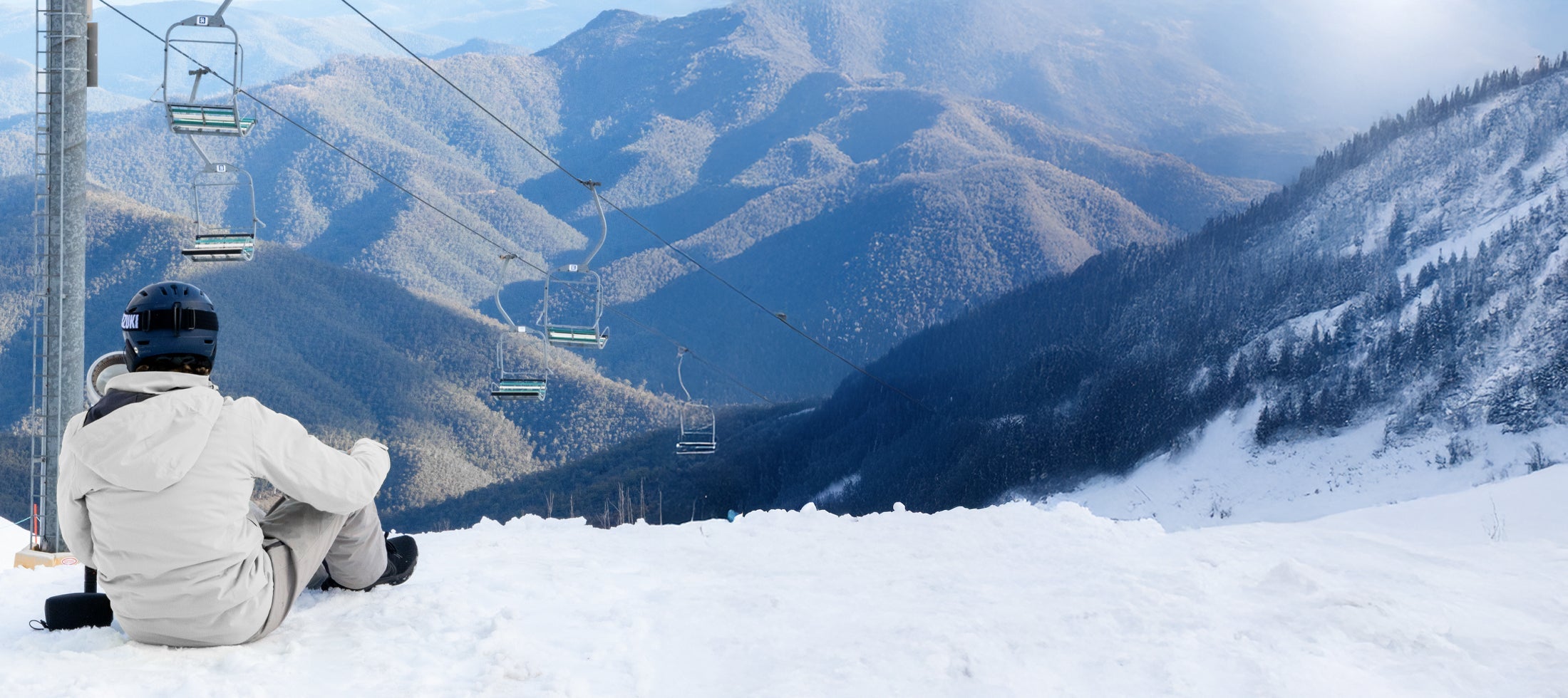
Mt Buller is Victoria's most popular ski resort and, for most Melburnians, the easiest major mountain to reach. It sits about three hours from the CBD, rises to 1,804 metres, and offers a full resort experience with a wide range of terrain, a solid lift network, and enough food, drink, and après-ski to fill a long weekend.
Whether you're heading up for your first day on the snow or planning a week-long trip, this guide covers everything you need to know before you go.
Getting to Mt Buller
Mt Buller is located in the Victorian Alps, roughly 240 kilometres northeast of Melbourne. The most common route is the Maroondah Highway through Lilydale and Healesville, then up through Mansfield before the final climb to the resort village.
The drive from Melbourne to the base of the mountain takes around two and a half to three hours depending on traffic and the time of year. During peak season weekends, expect delays on the mountain road itself, particularly on Friday afternoons and Sunday evenings. Leaving Melbourne early on a Saturday morning makes a noticeable difference.
Do you need a 4WD or snow chains?
Not necessarily a 4WD, but chains are compulsory on the Mt Buller Road when conditions require it. The requirement applies to all vehicles, including all-wheel-drive and four-wheel-drive vehicles, unless they have snow tyres. Chain hire is available in Mansfield and at the base of the mountain if you don't own a set. Check the Mt Buller road conditions page before heading up so you're not caught off guard.
Resort entry fee
Mt Buller charges a resort entry fee per vehicle, separate from any lift pass. This applies to all visitors including day-trippers. Current fees are listed on the Mt Buller website.
Public transport and shuttles
If you'd rather not drive, there are coach services from Melbourne to Mt Buller during the ski season. Operators run from the CBD and from Mansfield. Booking in advance is recommended during school holidays and peak weekends.
The Mountain
Mt Buller's summit sits at 1,804 metres, with a vertical drop of around 400 metres and approximately 300 hectares of skiable terrain. It's not the biggest mountain in Australia by vertical drop, but it's one of the most efficiently laid out, with lifts spread across the mountain in a way that keeps queues manageable and variety accessible.
The resort receives an average annual snowfall of around 1.5 metres, supplemented by one of the most extensive snowmaking systems in the southern hemisphere. Snowmaking covers a large proportion of the skiable terrain, which means the season can start earlier and run more reliably than natural snowfall alone would allow.
Terrain and Ski Runs
Mt Buller has over 80 runs spread across its network, ranging from wide gentle beginner slopes to steeper, more technical terrain at the top of the mountain.
| Skill Level | Approximate Share of Terrain | Good For |
|---|---|---|
| Beginner | ~25% | First-timers, children, learning the basics |
| Intermediate | ~45% | Building confidence, linking turns, exploring the mountain |
| Advanced | ~30% | Steeper pitches, moguls, off-piste opportunities |
Beginner terrain
The beginner slopes are well-positioned near the village and ski school areas, making them easy to access and navigate. Runs like Bourke Street and the Rooftop area are ideal for first-timers. Beginners can get quite comfortable on the mountain without needing to venture far.
Intermediate terrain
This is where Mt Buller really earns its reputation. The bulk of the mountain suits intermediate skiers and riders well, with long cruising runs and enough variation to stay engaged across multiple days. The Summit and Chamois areas offer good progression from green terrain into something more challenging.
Advanced terrain
The steeper runs at the top of the mountain, including those accessed from the Summit chairlift, provide genuine challenge. Burnt Hut Spur and the terrain around the top of the resort offer the most technical skiing on the mountain. In good conditions, there are also off-piste opportunities for experienced riders who know what they're doing.
Lifts
Mt Buller runs a network of over 20 lifts including high-speed quads, fixed-grip chairs, and surface tows. The lift layout covers the mountain well, with minimal dead zones that force long traverses.
The Summit lift takes you to the top of the mountain and accesses some of the best advanced terrain. The Blue Bullet and Bourke Street chairs are the workhorses of the intermediate areas. For beginners, the magic carpets and slow chairs near the base make it easy to repeat laps without intimidation.
Queues during school holidays and busy weekends can build up at the more popular chairs. Getting on the mountain early in the morning almost always means shorter lift lines.
For current lift pass prices and booking options, head to the Mt Buller website where you can compare day passes, multi-day packages, and season passes.
Opening Dates and Season
Mt Buller's ski season typically runs from the Queen's Birthday long weekend in June through to the end of September, though this can shift slightly depending on the year.
Opening day in June marks the official start of the season, and snowmaking usually ensures a rideable base is ready even if natural snowfall hasn't arrived in full. Conditions tend to build through June and July, with peak snow depth and the best coverage usually falling in July and August. Late season in September can still offer solid days, particularly if the winter has been strong, but variable conditions are more common as temperatures start to rise.
School holidays are the busiest periods on the mountain. If you have flexibility with your dates, mid-week riding outside of the school holiday windows is noticeably quieter and often more enjoyable.
Food, Drink, and Après-Ski
Mt Buller has a proper resort village with a range of places to eat and drink across different price points and moods.
On the mountain
Kooroora Hotel is the main après-ski hub, busy from mid-afternoon with a lively crowd coming off the slopes. The Bull Run is another popular spot for food and drinks during the day. Several on-mountain cafes and kiosks offer hot food and coffee for a lunch break without coming all the way back to the village.
In the village
The village has a variety of restaurants and casual dining options covering pizza, Italian, Asian, pub meals, and more. Breathtaker Hotel and Spa sits at the top of the village and offers a more premium dining and accommodation experience. For a quick feed after a long day, there are takeaway options and a supermarket in the village for self-catering.
Coffee
Good coffee is easy to find on the mountain. Most cafes and lodges serve it and, unlike some smaller resorts, you don't have to compromise on quality.
Ski and Snowboard Hire and Retail
Hiring gear on the mountain is straightforward. Multiple hire shops operate in and around the village, and many ski lodges also offer hire. Booking hire in advance online, particularly during peak periods, saves time and often money.
If you're buying gear or need something on the day, there are several retail shops in the village stocking clothing, accessories, and hardware. Prices on the mountain reflect the convenience factor, so it's worth picking up smaller items in Melbourne before you go if you can.
Tips for First-Time Visitors
Book your lift pass in advance. Online booking is almost always cheaper than buying at the gate on the day.
Pack layers. Conditions on the mountain can shift through the day. Starting cold in the morning and warming up by midday is common. A good base layer, mid-layer, and waterproof shell covers most scenarios.
Bring your own snacks. Food on the mountain is good but prices reflect the setting. Packing lunch or snacks for the day adds up to a meaningful saving.
Check road conditions before you leave. The Mt Buller road can have chain requirements or delays that aren't obvious from a quick weather check. The resort publishes road and snow conditions daily.
Start early. Parking, lifts, and hire queues are all shorter before 9am. Getting on the snow early and taking a longer lunch break is a more enjoyable rhythm than arriving at 10 and fighting peak queues.
What to Bring
Beyond your clothing and snow gear, a few things make a noticeable difference on the mountain.
A good pair of ski goggles is one of the most important pieces of gear you can own. Visibility changes fast in the Victorian Alps, where sunny mornings can turn overcast by midday. Having a quality goggle that handles mixed light conditions comfortably makes the whole day better.
If you're still sorting your kit before the trip, the Dawn Magnetic Ski Goggle is built for this kind of variable mountain day, with a magnetic interchangeable lens system so you can swap between lenses when the light shifts. Every Dawn comes with a bonus overcast lens included in the box.
For more on choosing the right lens for different conditions, the ski goggles lens guide is a practical starting point.
Planning Your Trip
Mt Buller won't be the biggest mountain you ever ski, but it's one of the most complete resort experiences in Australia. Good terrain variety, solid infrastructure, and a three-hour drive from Melbourne make it the default choice for most Victorian riders, and for good reason.
If you're weighing up Mt Buller against other Australian resorts, the guide to Australia's major ski resorts covers the full picture across every major mountain.
Share:
Why Do Ski Goggles Fog Up? (And How to Actually Fix It)
Magnetic Ski Goggles: How They Work and Why Riders Are Switching