


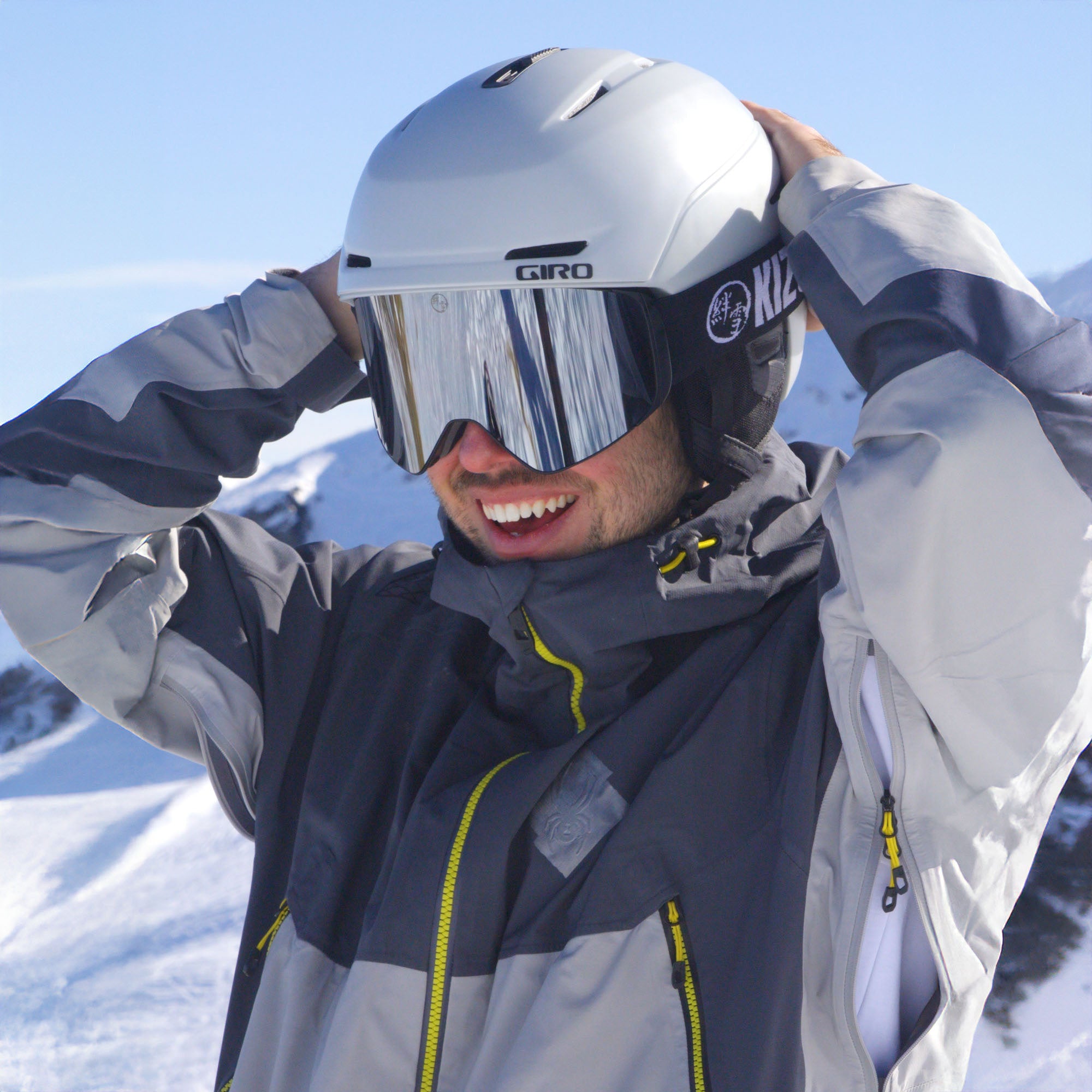
Ski goggle fogging happens when warm, moist air from your face meets the cold surface of the lens and condenses. It is one of the most frustrating things that can happen on the mountain, and it almost always comes down to a few fixable causes.
This guide explains why it happens, what makes it worse, and how to keep your vision clear from first run to last.
What Actually Causes Fogging?
Your face generates heat and moisture constantly, especially when you are working hard on the slope. That warm, humid air sits inside your goggles. When it contacts the cooler lens surface, it turns into condensation. The result is a foggy lens that can go from mildly annoying to genuinely unsafe in minutes.
The physics are simple. What changes is how well your goggles manage that moisture before it becomes a problem.
The Most Common Reasons Your Goggles Are Fogging
Understanding the cause makes the fix much easier. Most goggle fogging comes down to one of these:
| Cause | Why It Happens | Quick Fix |
|---|---|---|
| Blocked vents | Warm air cannot escape, moisture builds up inside the frame | Keep top and bottom vents clear of helmet, balaclava, and clothing |
| Wet foam lining | Absorbed sweat or snow holds humidity against the lens | Dry goggles naturally after each session, foam-side up |
| Taking goggles on and off | Rapid temperature changes create condensation each time | Keep goggles on your face during short breaks where possible |
| Wiping the inner lens | Removes the anti-fog coating permanently | Never touch the inner lens with fingers, gloves, or cloth |
| Overheating | Hard exertion produces more heat and sweat than vents can clear | Pause to let goggles breathe, choose well-ventilated frames |
How Goggle Ventilation Works
Most quality ski goggles use a dual-lens construction. The two lenses create a small insulating air gap between them, which helps keep the inner lens surface closer to your face temperature. This reduces the temperature difference that causes condensation.
Around the frame, foam venting channels allow air to move in and out of the goggle as you ride. This constant gentle airflow carries moisture away before it can settle on the lens.
Ventilation only works if it is unobstructed. A helmet that sits too low, a balaclava pulled up over the bottom of the frame, or a goggle jammed into a pocket can all kill airflow and lead to fogging even in a well-designed goggle.
How to Stop Your Ski Goggles Fogging
Most fogging is preventable once you know what to avoid.
Keep the vents clear. Check that nothing is blocking the top and bottom vents of your goggle. Make sure your helmet leaves enough gap above the frame for air to move freely.
Let them dry naturally after each use. When you get off the mountain, take your goggles out and leave them lens-up in a dry room. Do not leave them sitting in a wet jacket pocket or a sealed bag overnight.
Store them properly. A hard goggle case protects the lens from scratches and keeps the shape of the frame, which also helps maintain vent placement over time.
Never wipe the inner lens. If moisture does appear inside, shake it gently or let it clear on its own as airflow picks up. Resist the urge to wipe.
Limit how often you remove them. If you are ducking into a warm café or lodge, leaving your goggles on your face rather than pulling them off and back on reduces the temperature shock each time.
Does the Anti-Fog Coating Matter?
Yes, significantly. The inner lens of a ski goggle is treated with an anti-fog coating that reduces the surface tension of condensation, helping moisture spread into a thin, clear film rather than forming visible droplets.
The quality of that coating varies a lot between goggle brands. KIZUKI Dawn goggles use an anti-fog coating that meets up to seven times the international standard, meaning the inner lens is built to resist fogging well beyond the minimum requirement. You can learn more about the testing behind that on the certifications page.
The most important thing you can do to protect any anti-fog coating is simple: never touch the inner lens. Not with a cloth, not with a glove, not with your finger. Once the coating is degraded, it cannot be restored.
For more on how to look after your lenses without damaging them, the ski goggle cleaning guide covers the right technique in full.
Keeping Your Vision Clear All Day
Foggy goggles are almost never a product defect. They are usually the result of blocked vents, a wet interior, or a damaged anti-fog coating. Fix those habits and the difference is noticeable from the first run.
If you are looking for goggles designed with ventilation and coating quality in mind, the KIZUKI Dawn Magnetic Ski Goggle is worth a look. The magnetic lens system also makes it easy to swap lenses when conditions shift through the day, without pulling the frame apart in the cold. Browse the full magnetic lens range to see what is available.
Clear lenses make for better riding. It really is that simple.
Share:
Best Ski Resorts in Australia: A Guide to Every Major Mountain
Mt Buller: The Complete Skiing and Snowboarding Guide